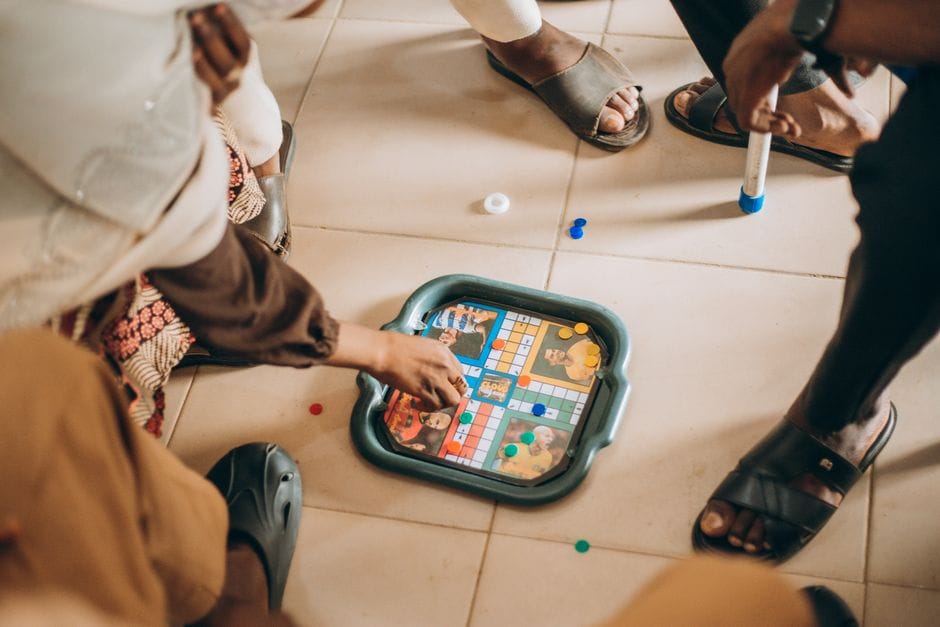
The first time my son flipped a Candy Land board because he drew the wrong card, I genuinely didn't know whether to laugh or hide. He was four, so I gave him a pass. But the flipping didn't stop at four, and by six it was clear that losing — any losing, at anything — felt to him like the floor falling out. That's not a character flaw. It's just a skill nobody's born with, and it takes a frustrating number of repetitions to build.
Let them lose to you, a lot
The well-meaning trap is to let kids win to protect their feelings. I did it for a while, and all it did was make the eventual real loss hit harder. Kids need reps at losing the way they need reps at tying shoes, and you're the safest opponent they'll ever have. So I beat my kids at Uno sometimes. Not every time, not cruelly, but enough that winning isn't the default and losing isn't a catastrophe.
When it goes sideways — and it will — I name the feeling instead of the behavior. "You're really mad you lost. That makes sense, losing stinks." The meltdown isn't the problem to solve in that moment; the feeling underneath it is.
Model it out loud
Kids watch how you lose far more than they listen to what you say about it. So when I lose at Mario Kart or get crushed in Spikeball in the driveway, I make a point of saying the quiet part loud: "Ugh, I really wanted to win that. Good game though, you got me." That's the whole curriculum, repeated a hundred times.
Here's the nuance most advice skips — some kids are wired more competitively than others, and no amount of modeling fully sands that down. My daughter shrugs off a loss in ten seconds; my son needs ten minutes. Same house, same parents, different kids. The goal isn't to make him not care, it's to make the recovery faster.
Games that build the muscle
- Uno — fast rounds mean losing and winning cycle quickly, so no single loss feels final
- Sorry! — built on getting sent back, which is great low-stakes practice
- Any card game with a short setup, so a bad round can be shaken off in two minutes
Skip the long games early on. A two-hour Monopoly loss is too much weight for a kid still learning to carry the small ones. Build up to the heavy stuff once they can handle a quick defeat without the board going airborne.