The lunchbox that comes home exactly as full as it left
Every parent who's ever unpacked a lunchbox at 6 p.m. and found the same untouched sandwich from that morning knows the specific frustration of packing food that looks reasonable on paper and gets ignored in practice. The gap usually isn't nutrition — it's texture, temperature, and social pressure at a cafeteria table where a kid is watching what everyone else has before deciding whether their own lunch is worth eating. A soggy sandwich by 11:30 a.m. loses to a classmate's crunchy snack every single time, and no amount of parental effort in the kitchen fixes that if the food itself doesn't survive four hours in a backpack.
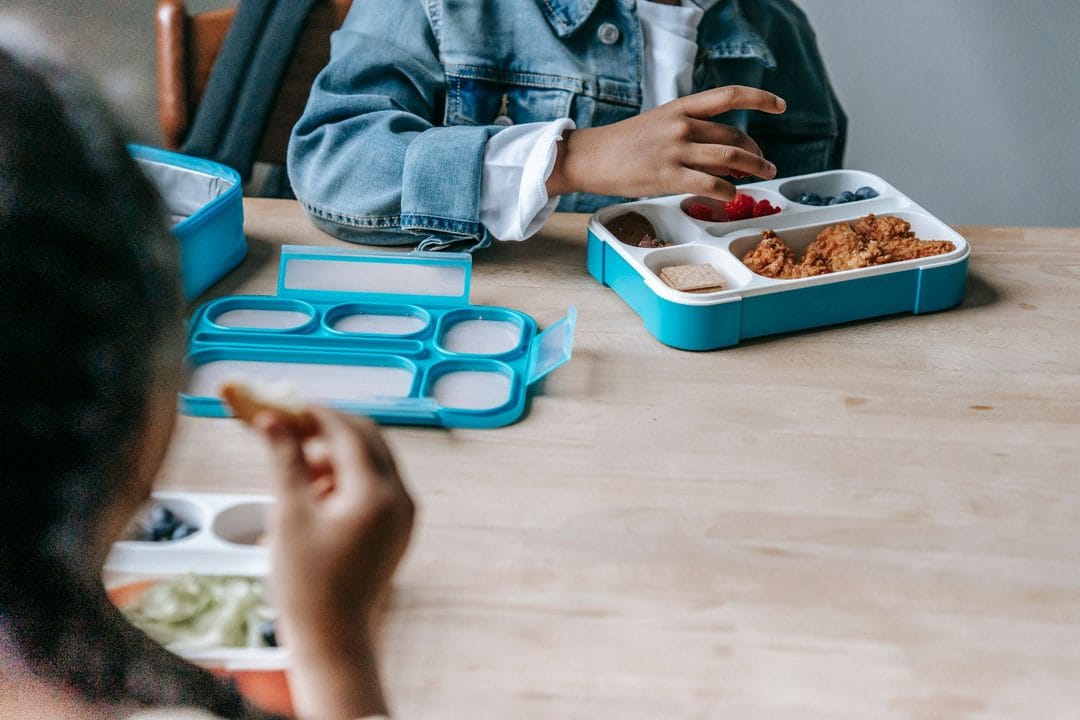
Bento-style boxes solved more of this than any other single change in the last decade of school lunch packing. A Bentgo Kids box, which runs about $19.99 at Target, keeps five separate compartments from touching, so a wet fruit doesn't turn a cracker limp before lunchtime. PlanetBox's stainless steel Launch box, closer to $45, skips plastic entirely and holds up through years of dishwasher cycles, which matters more than it sounds like it should when you're the one scrubbing the same lid for the third time in a week. The compartment format also does something less obvious: it turns lunch into a grazing plate instead of a single meal a kid has to commit to, which works better for picky eaters who'd rather take four small bites of four different things than force down one sandwich they've decided they don't like today.
Temperature is the variable most parents ignore
A lunch packed at 7 a.m. and eaten at noon sits in a backpack for five hours, and most insulated bags aren't doing nearly as much work as parents assume. A basic $12 lunch bag from Target keeps food maybe 10 degrees cooler than ambient temperature by lunchtime — not enough to keep yogurt appealing or cheese from sweating. Adding a frozen gel pack, or better, freezing a juice box or water bottle overnight and packing it alongside the food, does more for both safety and taste than any bag upgrade. For hot food, a genuine thermos like the Stanley Kids food jar, around $25, holds soup or leftover pasta above 140°F for close to five hours if you preheat it with boiling water for two minutes before adding the food — a step almost nobody actually does, and the single biggest reason "thermos lunches" get reported back as lukewarm and unappetizing.
The preheating step sounds fussy at 6:45 in the morning, but it's the difference between a thermos your kid actually eats from and one that becomes a permanent shelf decoration.
Peanut-free classrooms change the calculus
A growing number of elementary schools now run peanut- and tree-nut-restricted classrooms, sometimes building-wide, and checking the actual policy before the first week of school saves a scramble later. Some districts only restrict specific tables or classrooms with a diagnosed student rather than the whole cafeteria, so a peanut butter sandwich that was fine last year might not be fine this year if a classmate's allergy changed the room assignment. Sunbutter, made from sunflower seeds, has become the default substitute at close to the same price point as peanut butter, around $6 to $7 for a comparable jar at most grocery stores, and most kids genuinely can't tell the difference once it's spread on bread with jelly. Checking the school's written allergy policy, usually posted on the district website or sent home in the first-week paperwork packet, takes maybe five minutes and avoids the awkward moment of a lunch getting quietly swapped out by a teacher.
Leftovers are an underused lunch category
Dinner leftovers get treated as an afterthought for lunch packing, which is a missed opportunity given that a kid who ate taco meat happily at 6 p.m. will usually eat the same taco meat cold or reheated at noon the next day. Rice, pasta, and shredded chicken all hold up well in a thermos, and packing dinner-sized portions with lunch specifically in mind — rather than hoping there's enough left over by accident — turns one cooking session into two meals without extra prep time. The trick most parents miss is portioning leftovers into lunch-ready containers the same night, while doing dishes, rather than digging through a crowded fridge at 6:45 the next morning trying to remember what's actually left and whether there's enough of it.
What actually gets eaten, by age
Elementary-age kids, especially kindergarten through second grade, eat lunch in roughly 15 to 20 minutes once you account for time spent opening containers, talking to friends, and standing in line for milk. Anything that takes more than three steps to eat — peeling, cutting, dipping in a separate container — often just doesn't get finished in that window. Pre-cut fruit, pre-portioned crackers, and sandwiches already cut into quarters aren't about babying a kid; they're about matching the food to the actual time available. By fourth or fifth grade, that window stretches closer to 25 minutes and kids have more patience for assembly-required lunches, which is exactly when items like build-your-own wraps or DIY lunchable-style trays start working better than they did two years earlier.
Middle schoolers are a different problem entirely. Social visibility peaks right when nutritional independence does, and a kid who happily ate the same turkey sandwich for three years in elementary school will suddenly refuse it because a friend's lunch looked more interesting. This is the age where involving the kid in Sunday meal prep — even just letting them pick three lunch components from a rotating list of ten approved options — cuts refusal rates dramatically, because the food stops being something imposed and starts being something chosen.
The budget reality nobody puts in the meal-prep blog post
Store-bought Lunchables run about $3.50 to $4.50 each at most grocery chains, and packing five a week comes out to roughly $20 to $22 — before factoring in that most contain more sodium and less protein than a home-packed equivalent. A DIY version using Costco's Kirkland Signature turkey slices, a block of colby-jack cheese, and a sleeve of Ritz crackers costs closer to $1.20 per lunch once you divide the bulk packaging across a month, and takes maybe ninety seconds longer to assemble than opening a plastic tray. That's not a small difference over a school year — it's the gap between roughly $400 and $2,000 across nine months for a single kid's lunches, and it adds up fast once there's more than one child in the house.
- Batch-prep proteins on Sunday: grilled chicken strips, hard-boiled eggs, or turkey roll-ups portioned into small containers for the week
- Buy produce that's already lunch-sized — grape tomatoes, baby carrots, clementines — instead of paying extra for pre-cut versions when the whole-food version needs almost no prep
- Rotate a short list of five to six "safe" lunches rather than reinventing the menu daily, and let kids pick from that list themselves on Sunday night
- Keep one backup lunch, like a peanut-butter sandwich or a cheese stick and crackers, ready for the mornings that fall apart
None of this requires a Pinterest-board level of commitment. What actually moves the needle is consistency in the format a kid already trusts, food that survives the trip to school at the right temperature, and giving kids real choices inside a short, parent-approved list instead of either full control or none at all. The lunches that come home empty aren't usually the most elaborate ones — they're the ones that matched what a specific kid, at a specific age, was actually going to eat that day.