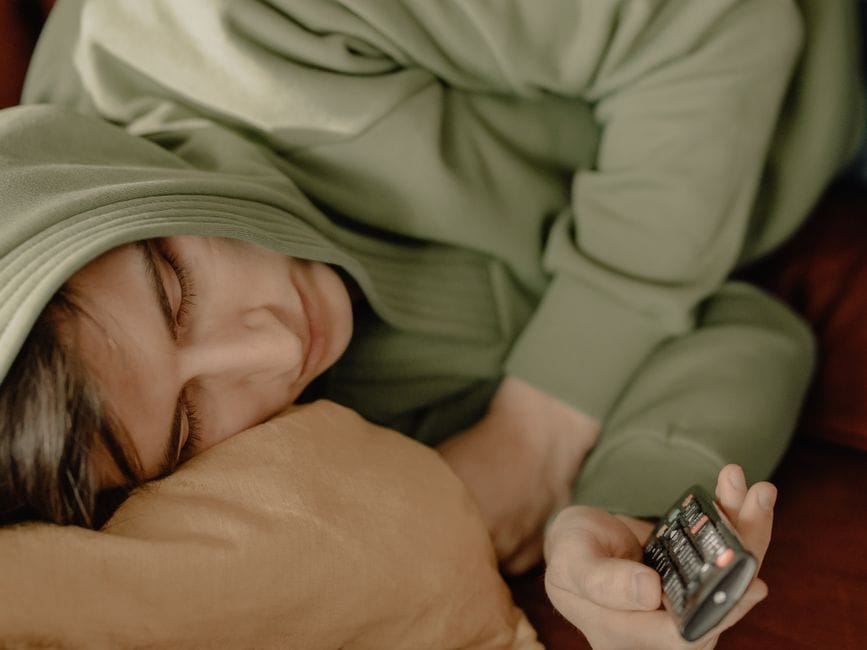
"I'm bored" hits a specific nerve in parents, somewhere between guilt and irritation, and the reflex is to instantly produce an activity like a flight attendant handing out snacks. I did this for years. Then I noticed my kids had stopped knowing how to be alone with their own minds, because I'd trained them to outsource the problem to me the second a dull moment appeared.
Boredom is the launchpad, not the problem
The uncomfortable truth is that boredom is where almost all kid creativity actually starts. The fort, the elaborate stuffed-animal courtroom, the cardboard-box spaceship, none of those get built by a kid who's being entertained. They get built in the restless, unstructured gap right after "I'm bored," if you can resist filling it. That gap is doing real work even when it looks like nothing.
So the move, most of the time, is to do almost nothing. "I hear you, you'll figure something out" is a complete and sufficient response. It lands badly at first, and you'll get the dramatic flop onto the couch and the wail that there's nothing to do in the entire house, and you hold the line anyway, because the boredom is the assignment and the kid is more capable than the flop suggests.
- Resist the urge to suggest anything for a solid ten minutes, which is harder than it sounds
- Keep open-ended stuff accessible, art supplies, blocks, a junk drawer of tape and boxes
- Absolutely don't reach for the screen, the one bottomless boredom-killer that teaches nothing
The line between boredom and a real need
Now the nuance, because letting it ride isn't a blanket rule. Sometimes "I'm bored" is code for something else entirely, lonely, hungry, needs connection, hasn't had your attention all day. A kid who's been parallel to you for six hours while you work may not need an activity, they need fifteen real minutes of you. Learning to tell the difference is most of the skill.
The tell is usually whether they perk up at independent options or whether nothing lands no matter what. If every suggestion gets rejected, it's rarely about the suggestions, and that's your cue to put the phone down and connect instead of problem-solve. But the ordinary, garden-variety "I'm bored" on a slow Saturday? Let it sit. The kid who learns to build their own afternoon out of nothing is getting something a planned activity could never hand them.