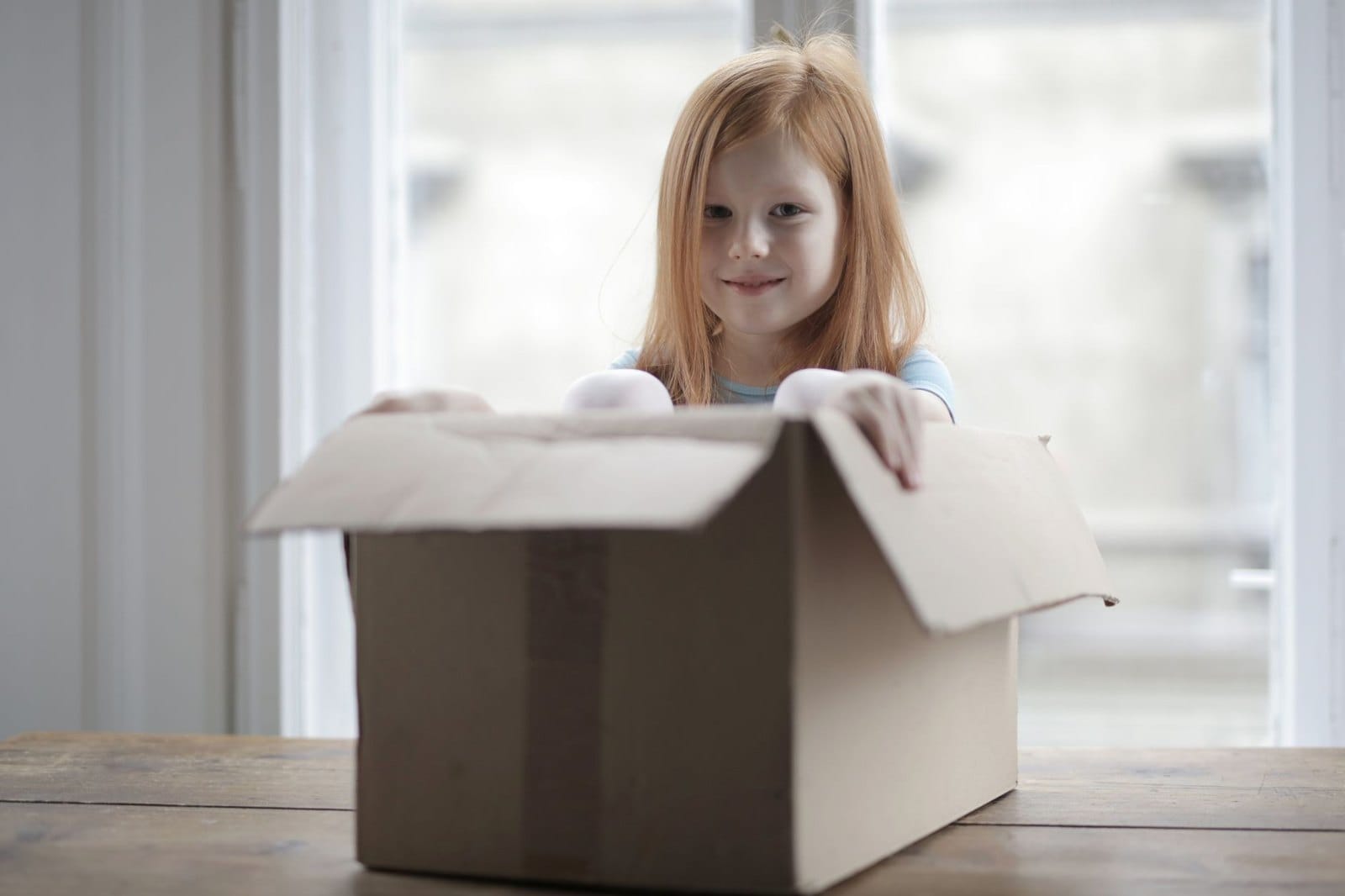
By the third week of June, my daughter had turned "I'm bored" into a kind of background hum, repeated roughly every eleven minutes from the kitchen doorway while I tried to answer work email. I did what most of us do at first. I suggested the craft kit, then the bikes, then the neighbor's pool, then a movie, then a snack, until I'd run through my entire mental inventory of activities and she'd rejected all of them with the flat finality of a customs officer. That was the moment I realized the problem wasn't her boredom. It was that I'd appointed myself head of entertainment, and I was failing the job.
Here's the uncomfortable thing nobody tells you in the parenting books: a bored child is not a child in crisis. A bored child is a child whose brain has finished processing the last thing and hasn't yet decided what to do next. That gap — that itchy, restless, "there's nothing to dooo" gap — is where kids actually learn to entertain themselves. And every time we rush in with a perfectly curated suggestion, we close the gap before anything interesting can grow in it.
Why Boredom Got a Bad Reputation
We treat boredom like a parenting emergency partly because the culture trained us to. Somewhere in the last twenty years, "enriched childhood" came to mean a calendar with no white space — a summer of camps, classes, lessons, and Pinterest-grade activities, each one supervised, photographed, and optimized. The American Academy of Pediatrics has actually pushed back on this, recommending that kids get real unstructured time precisely because free play is where they build problem-solving, negotiation, and self-regulation. Those aren't soft skills. They're the skills that decide whether a seven-year-old can survive a rainy afternoon without you.
The research that gets cited most here comes from the work on "internal locus of control" — basically, a kid's sense that they can shape their own experience instead of waiting for the world to deliver it. Psychologists have tracked a steady decline in that trait among children over several decades, and a lot of it lines up with the disappearance of unsupervised, unstructured time. When an adult is always the one deciding what happens next, the child never gets reps at deciding for themselves. Boredom is the gym for that muscle, and we keep canceling the workout.
None of this means you should aim for a summer of grim, activity-free deprivation. There's a real difference between healthy boredom and a kid who's genuinely lonely, anxious, or stuck in a house with nothing in it but a television. The goal isn't to do nothing. The goal is to stop being the thing that always happens next.
The Phrase That Changed Our House
The single best move I made cost nothing and took about four seconds. When the "I'm bored" came, instead of offering a menu, I started saying: "Okay. That's allowed." Then I went back to what I was doing.
The first few times, this was met with genuine outrage. She wasn't asking for permission to be bored — she was filing a complaint and expecting a manager. But after about a week of getting the same calm non-response, something shifted. The complaints got shorter. Then they stopped landing at my feet altogether, because she'd figured out, on some level, that I was no longer the vending machine. The boredom became her problem to solve, and kids are startlingly good at solving their own problems once they accept that no one else is going to.
What filled the gap was not, I'll be honest, always charming. Some of it was excellent: an elaborate fort, a comic book she wrote and stapled herself, an afternoon spent teaching the dog a trick that the dog flatly refused to learn. Some of it was a child lying on the rug describing the ceiling. Both count. The rug-staring is not wasted time — it's the buffering screen before the next idea loads.
What Actually Helps (and What Just Looks Like It Does)
If pulling back feels too abrupt, the most useful thing you can do is set the stage and then step off it. A few moves that earned their keep in our house this summer:
- Build a "boredom shelf," not a boredom schedule. Ours is a low cabinet stocked with open-ended stuff — masking tape, a giant roll of butcher paper, old cardboard boxes, a bin of mismatched LEGO, washable markers. No instructions, no "right" outcome. A $4 roll of painter's tape has generated more hours of play than the $40 craft kit ever did.
- Make a "things I could do" list together, once. Sit down on day one and let the kids brainstorm twenty things, written in their handwriting and taped to the fridge. The point isn't the list — it's that when they say "I'm bored," you get to say "check the fridge" instead of becoming the list yourself.
- Protect a daily block of genuinely empty time. Even an hour where nothing is planned and no screens are on. The boredom shows up reliably around minute twelve, and so does the invention that follows it.
- Resist the urge to narrate or improve their play. This is the hard one. When you see them stuck, every instinct says swoop in with a suggestion. Sit on your hands. Watching a kid push through the boring middle of an idea to the good part is one of the quieter pleasures of summer.
And here's the catch, because there's always a catch. This works beautifully for kids over about five — unless the boredom is masking something else. A toddler saying "I'm bored" usually means tired, hungry, or wanting connection, and stepping back will just escalate it. Younger kids genuinely need a warm body more often, and pretending otherwise is just dressing up neglect in developmental language. Read the kid in front of you, not the parenting essay.
The Part Where You Get Your Afternoons Back
The selfish argument for all of this — and I think we're allowed a selfish argument — is that a child who can entertain themselves gives you back enormous chunks of your own summer. Not in a "now I can finally relax by the pool" fantasy way. More like: you can fold a load of laundry, or take a phone call, or read four pages of a book, without a small person treating every quiet moment as a personal affront.
That doesn't happen by accident, and it doesn't happen by July 1. It happens because you spent the back half of June refusing, gently and repeatedly, to be the cure for boredom. The discomfort of those first complaint-filled days is the tuition. The independence is the thing you bought with it.
So the next time the small voice appears in the doorway, mid-morning, announcing to no one in particular that there is nothing to do in this entire house — try saying nothing useful at all. "That's allowed." Then watch what they build out of the empty space you just refused to fill.