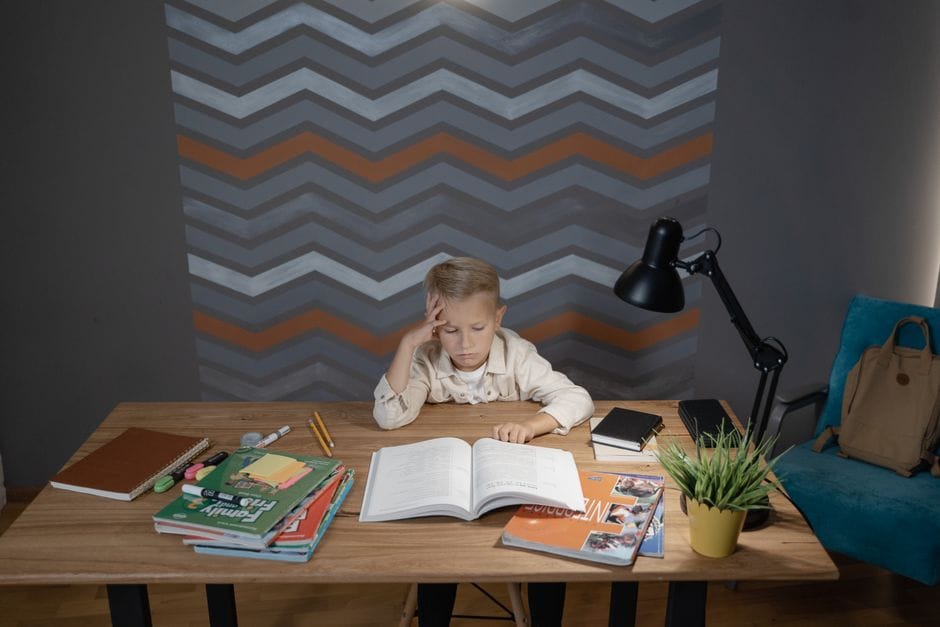
Somewhere around second grade, the after-school worksheet stopped being a worksheet and started being a referendum on my parenting. My daughter would stare at six subtraction problems like they were a hostage negotiation, and I would feel my jaw tighten before she'd even picked up the pencil. The fight was never really about the math. It was about who was going to blink first, and most evenings the answer was both of us, loudly, around 5:45 p.m. What finally shifted things wasn't a new reward chart or a quieter voice. It was deciding, before I sat down next to her, which battles I was actually willing to lose.
Not every assignment is worth your dignity
Here's the thing nobody tells you: an eight-year-old's homework is usually fifteen minutes of real work wrapped in forty-five minutes of avoidance, and the avoidance is the part you're tempted to fight. Don't. Skip the standoff over whether she sharpens her pencil now or in thirty seconds. Pick the one hill that matters that night, whether that's finishing the reading log or just sitting at the table without melting down, and let the rest slide. You will not win a war of attrition against a kid who has nothing scheduled until bedtime and all the patience in the world for being annoying.
The reading log is the better choice to enforce, by the way, over almost anything else. Reading aloud for ten minutes builds something; arguing about handwriting neatness on a spelling page builds resentment.
What actually moved the needle
We bought a cheap kitchen timer from Target, the little white wind-up kind that runs about $7, and set it for twenty minutes. When it dings, homework is over, finished or not. That sounds like surrender, and the first week it felt like it. But a kid who knows the end is coming works differently than a kid who suspects this might go on forever.
A few things that helped more than I expected:
- Snack first, every time — a hungry eight-year-old is not a reasoning eight-year-old, and a handful of pretzels buys you ten honest minutes
- Sitting near her but doing my own boring task, like sorting mail, so she didn't feel watched
- Letting her pick the order of the assignments, which costs me nothing and gives her the one thing she's fighting for, which is control
So what about the nights it still falls apart? Some nights it does, and I've learned to write a quick note to the teacher rather than force a tearful kid through a math sheet at 7 p.m. Teachers would rather get the note. The catch is that this only works if you're not using it as an escape hatch three times a week.
The long game
I stopped measuring success by whether the worksheet got done perfectly and started measuring it by whether we still liked each other at bedtime. That reframe lowered the stakes for both of us. The math will come. Second-grade subtraction is not the moment your child's academic future is decided, no matter how the homework folder makes you feel on a Tuesday with a stain-blocked dinner going cold on the stove.