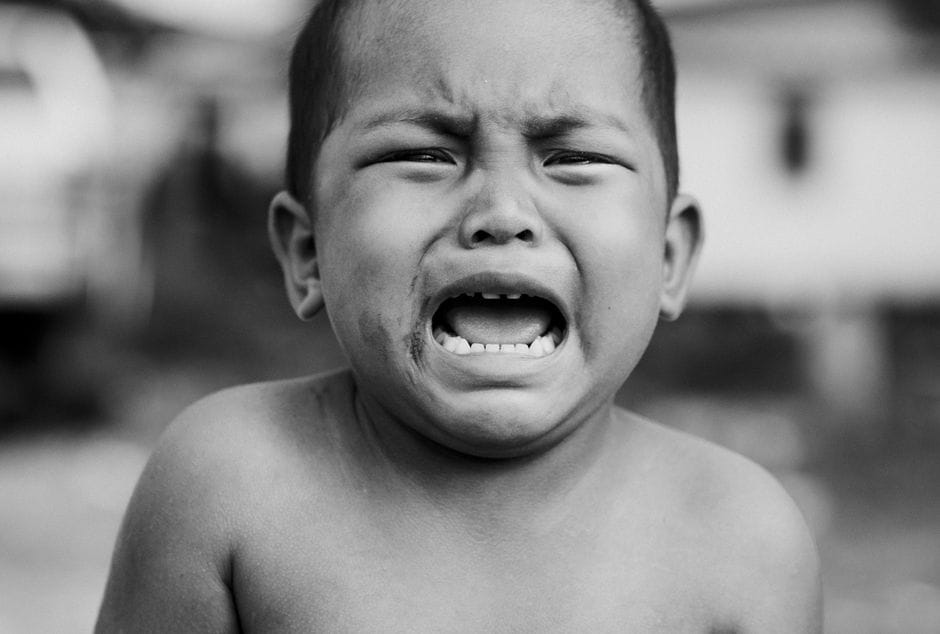
My four-year-old once threw himself onto the kitchen floor over a banana that broke in half, and in the middle of the wailing he gasped out, "I don't know why I'm so mad!" And the thing is, he didn't. He had a body full of something enormous and no word for it, which is most of what a tantrum actually is. We talk about teaching kids to manage emotions like it's a discipline problem, but a huge share of it is just translation — helping a small person put a name to the weather happening inside them.
Name it before you fix it
The instinct, when a kid is melting down, is to solve the problem or stop the noise. Resist both for a second. The more useful first move is to name what you're seeing: "You're really frustrated that it broke." That's it. You're not agreeing the broken banana is a tragedy; you're handing him the word he's missing. Kids calm faster when they feel understood than when they feel managed, and the naming is what does the understanding.
This is the single most effective thing I've learned as a parent, and it cost nothing.
Build the vocabulary when nobody's upset
You can't teach a drowning person to swim, and you can't teach an emotional vocabulary mid-meltdown. The teaching happens in the calm hours. We read books that put words to feelings — the old standby The Way I Feel by Janan Cain lives on our shelf — and we talk about characters in movies, asking how they might be feeling and why. A "feelings chart" with cartoon faces, the kind you can print free or grab at Target for a few dollars, gives a kid who can't yet find the word something to point at.
Some things that genuinely helped in our house:
- Naming my own feelings out loud — "I'm feeling impatient because we're late" — so the words live in the regular soundtrack of the day
- Giving feelings a size, since "a little annoyed" and "volcano angry" are different problems with different responses
- Letting feelings be okay even when the behavior isn't, which is the line I repeat most: you can be furious, you cannot hit
That last one matters more than the rest combined. A kid needs to learn that the feeling is allowed and the action might not be, and those are two separate lessons we tend to blur together.
It's slower than you want
Here's the part that humbled me: naming feelings doesn't end the tantrums on any timeline that feels satisfying. My son still hits the floor over bananas some days, even now. What's changed is that he can sometimes, afterward, tell me what happened in there — and a kid who can say "I was scared and it came out mad" is a kid building something that'll serve him at thirty. The banana, for the record, was fine. We taped it. Don't ask.