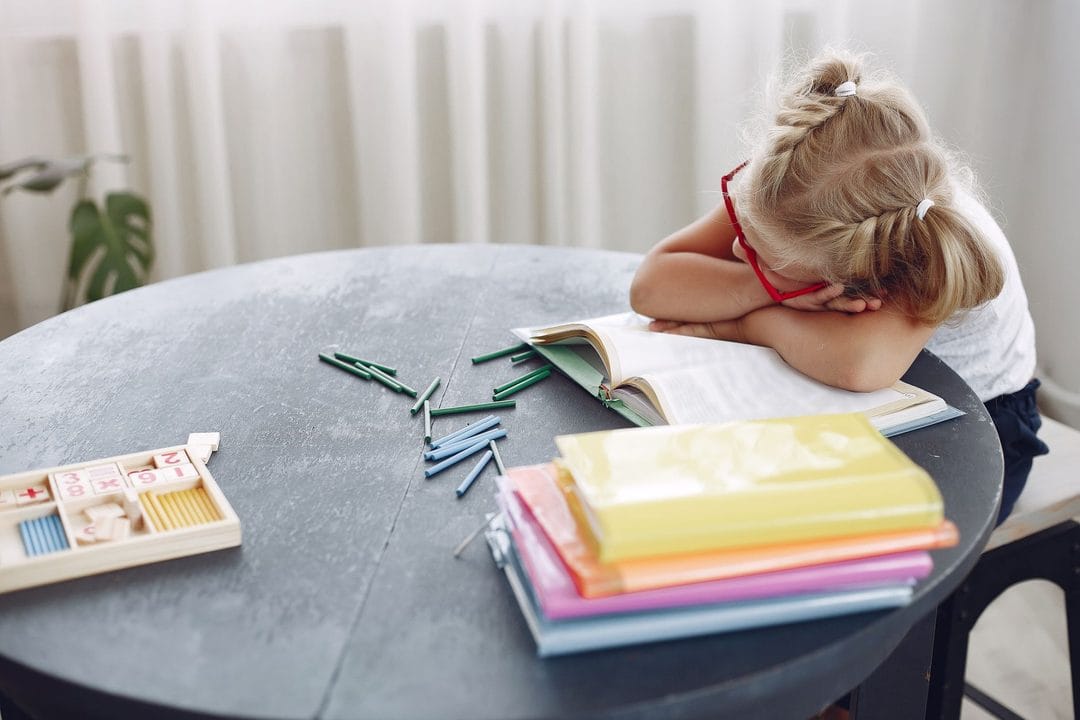
The countdown to the last day of school feels like the finish line. Then the first full week of summer break hits, and by Wednesday afternoon nobody is happy — not the kids who are bored out of their minds, and not you, the parent who somehow became a full-time cruise director overnight. If this is where you are right now, in late June with weeks still stretching ahead, you are not doing it wrong. The first week almost always falls apart. The school year ran on a rhythm somebody else built, and now that scaffolding is gone.
Why the crash happens
During the school year, a kid's day is scheduled down to the minute by someone other than you. Bells, periods, lunch at the same time daily. That external structure does a lot of invisible work. When it vanishes, kids do not magically self-direct into wholesome play. They drift, they get bored, they push at each other, and the requests for a screen start before breakfast is cleared. The meltdown is not a discipline problem. It is a kid with no shape to their day looking to you to provide one.
Build a loose rhythm, not a rigid schedule
You do not need a color-coded hourly chart. Those look great on social media and last about two days. What works is a repeatable shape to the day that everyone can predict:
- Morning has a job. One thing before screens or pool: get dressed, eat, do one small chore or twenty minutes of summer reading. The order matters more than the content. Kids settle when they know what comes first.
- One out-of-the-house anchor most days. A library trip, a splash pad, a walk to get the mail at grandma's. It does not have to cost anything. It just has to move bodies out the door before noon, which is when the indoor friction peaks.
- A reliable quiet block. After lunch, everyone goes to separate corners for an hour. Little kids nap or look at books, big kids read or build something, you get coffee and your brain back. Protect this one fiercely.
The point is not control. It is that a predictable shape removes a hundred small negotiations a day. Kids who know the rhythm stop asking what's next every ten minutes.
Boredom is the feature, not the bug
The hardest part for a lot of parents this week is sitting with a kid who announces they are bored and not rushing to fix it. But boredom is where kids actually invent things. The fort, the elaborate stuffed-animal court trial, the backyard mud restaurant — none of that happens when every hour is filled. If you treat boredom as an emergency you have to solve, your kids learn to outsource it to you, and to the tablet.
Try this instead: keep a short list taped to the fridge of things they can do without you. Not twenty Pinterest crafts. Five or six concrete options — build something with the recycling bin, draw a comic, water the plants, set up the sprinkler, make a snack. When the bored complaint comes, point at the list and walk away. The first few times it will not land. By next week, it will.
Lower the bar on purpose
Late June is when the guilt machine kicks in: every other family seems to be at a national park or a structured camp while yours is eating cereal on a Tuesday at eleven. Most of those families are also having the exact week you are, just not posting it. Summer does not have to be a highlight reel. Kids remember the ordinary stuff — the popsicle on the front step, the afternoon you let them stay in pajamas, the board game that turned into an inside joke — far more than the expensive day trip.
- Pick one or two things a week to actually look forward to, and let the rest of the days be plain.
- Stagger your energy. You cannot be on every day. Some days are adventure days and some days are sit-in-the-yard days, and that balance is what keeps you from burning out by July.
Give it the week
The first week of summer break is a transition, not a verdict on how the whole summer will go. Everyone — you included — is detoxing from a schedule somebody else ran. Build a loose rhythm, let boredom do its work, and stop measuring your summer against anyone else's posts. By the second week the new shape settles in, the kids stop asking what's next every ten minutes, and the long afternoons start feeling less like a problem to manage and more like the point of the whole thing.