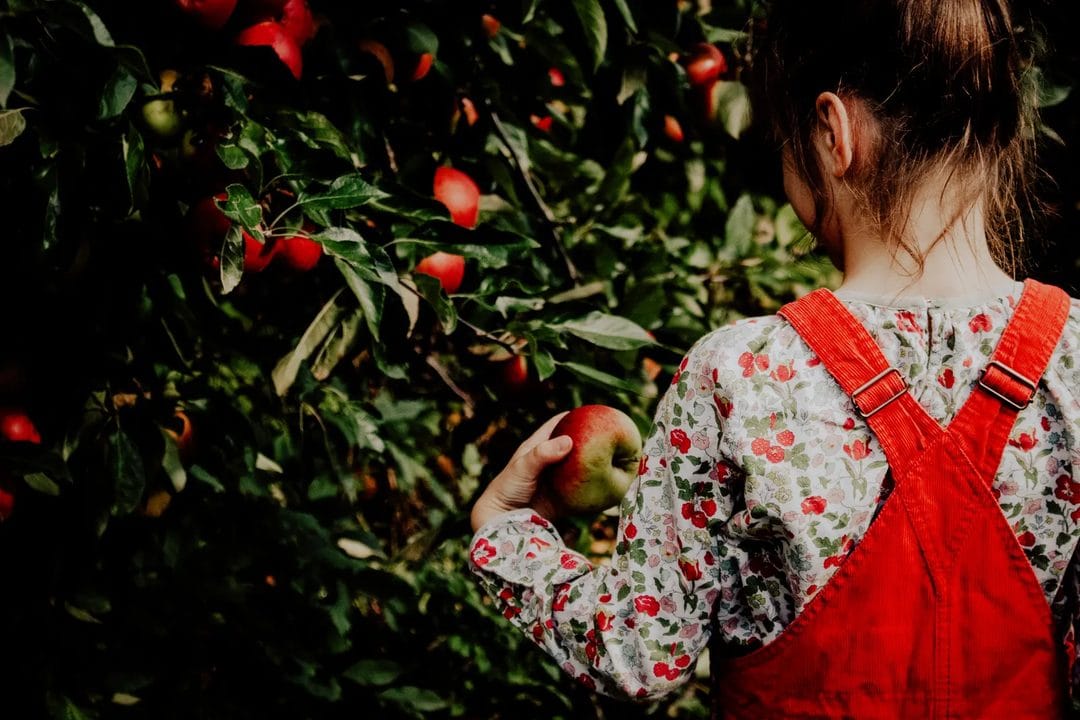
The parking lot at a decent U-pick orchard fills up before ten most Saturdays in September, and if you've never chased a toddler between rows of Honeycrisp trees while your older kid insists on climbing the ladder meant for adults, you're missing one of the easiest wins on the family calendar this month. Oddly, it's one of the rare "family activities" marketed at parents where the kids actually want to go, outdoors and photogenic enough for the inevitable phone photo. Mid-September through late October is the peak window for most of the country, and the orchards that get it right treat the actual picking as the appetizer, not the whole meal.
Picking the Right Orchard for Your Family
Not every orchard within driving distance is worth the gas money. Some are genuinely working farms that happen to let visitors into a few rows during harvest season; others have built an entire business model around the visit itself — hayrides, a corn maze, a barn full of cider donuts, maybe a petting area with a couple of goats that have clearly given up on personal space. For a family with kids under six, the second kind is almost always the better choice, because a toddler's attention span for "walk between trees and put fruit in a bag" runs out well before the bag does. Look for a farm that lists a specific "pick-your-own" block on its website — not just "orchard visits" — since some larger operations reserve U-pick rows for weekday mornings and switch to pre-picked bags on busy weekends without updating their homepage. Calling ahead or checking a farm's Instagram from the last few days beats trusting a static website that hasn't been touched since June; orchards post daily updates on which varieties are actually ready, and that saves you from arriving to find the Honeycrisp rows picked clean by 11 a.m., which happens more often than most orchards will admit. That said, some larger commercial orchards charge a hefty combo fee for a corn maze most toddlers are too young to enjoy — skip those and look for a smaller family farm charging for the picking alone instead.
What a Day Actually Costs
Budget for more than the sticker price you'll see advertised. Admission to the farm itself is often free at smaller family orchards, but many mid-size operations now charge a flat entry fee — commonly $8 to $15 per person, sometimes with toddlers under two admitted free — that covers a hayride out to the picking rows and access to extras like a corn maze or pumpkin patch. Apples themselves are priced by the pound at the scale on your way out, typically running $2.29 to $3.49 per pound depending on the variety and the region, which means a family of four filling a half-peck bag (roughly 5 to 6 pounds) should expect to pay somewhere between $15 and $25 just for fruit. Add a bag of cider donuts (usually $8 to $12 for a half-dozen) and a jug of fresh-pressed cider ($9 to $14 per half-gallon), and a mid-size outing for a family of four lands somewhere around $60 to $90 once you count gas. That's not cheap for an afternoon, but it's still less than a trip to most indoor entertainment centers, and you leave with actual food instead of a claw-machine stuffed animal nobody wanted. Check the orchard's email list or website for a printable coupon before you go, since plenty of family farms knock $2 to $5 off admission for signing up online, and that discount alone can cover the donuts.
Which Apples Are Worth Picking in September
September is when the early-to-mid-season varieties peak, and which ones are ready depends heavily on where you live — a Wisconsin orchard's Honeycrisp window looks nothing like one in North Carolina. Gala and Ginger Gold are usually first to ripen, often ready by late August in warmer growing regions and holding through mid-September elsewhere. Honeycrisp, the variety everyone actually shows up for, typically peaks from early to late September, and its short harvest window is exactly why orchards run out of it fastest. Cortland and Empire follow close behind, both solid all-purpose apples that hold their shape well in a pie, and by the very end of September you'll start seeing Jonagold and early Fuji show up on the ready-to-pick boards. Skip McIntosh if you're planning to bake with what you pick; it's an excellent apple for eating fresh or turning into sauce, but it collapses into mush in the oven faster than almost any other variety, and it's not worth the disappointment on pie night. Honeycrisp for eating out of hand, Cortland for pie — that's the combination worth building the whole trip around.
Timing It Around Naps and Meltdowns
Naptime does not care about your orchard reservation.
Get to the orchard early — ideally by 9 or 9:30 a.m. — for two separate reasons that both matter more than most parents expect. First, the temperature is still comfortable; September afternoons can climb into the high 70s or 80s across much of the country, and an orchard with no shade turns miserable fast once the sun sits directly overhead. Second, and more importantly, an early start means you're back in the car and heading home before the 12:30 to 1 p.m. meltdown zone that swallows toddlers and preschoolers alike. If a full morning isn't possible, aim for the two hours right after nap instead of squeezing in a rushed visit beforehand — an orchard trip cut short by an overtired toddler is worse than no orchard trip at all. Older kids, six and up, handle the trip fine regardless of time of day, so the scheduling problem really only applies to families with a child still napping.
What to Pack in the Car
- A change of clothes for every kid under five — orchard mud does not respect leggings
- Bug spray, since September wasps are drawn to the fallen fruit rotting under the trees
- Cash or a backup payment method — some smaller family farms still run card readers off spotty rural cell service, and the machine tends to go down right when you're holding a full bag at the register
- Reusable shopping bags for the apples if the farm doesn't include one with admission
- Snacks and water for the ride, since the drive to a genuinely good orchard often runs 30 to 45 minutes each way from a suburban starting point
Washing, Storing, and Actually Using What You Picked
Orchard apples look clean, but treat them the way you'd treat produce from a farmers market rather than something already washed and bagged at the grocery store. Rinse each apple under cold running water right before eating or cooking — not right after you get home, since apples keep longer in the refrigerator with their natural wax coating left intact. Skip the soap; plain water with a light hand-rub removes dust and residue without leaving anything behind, and USDA general produce-safety guidance backs plain water over dish soap or produce washes for exactly this reason. Stored properly in a perforated bag in the crisper drawer, firm varieties like Honeycrisp and Cortland hold up for four to six weeks, which is long enough to spread out the pie, the applesauce, and the lunchbox slices without a mid-October scramble to use everything at once. Softer varieties like Gala and McIntosh don't keep nearly as well — plan to eat those within two to three weeks, and don't be surprised if a few go soft in the crisper drawer before you get to them.
Making It a Yearly Tradition
The trips that turn into an actual family tradition tend to share one thing: a small, repeatable ritual that has nothing to do with the apples themselves. Some families pick the same orchard every year and let each kid choose one pumpkin from the patch on the way out; others make the cider donuts the whole point and treat the apple bag as a formality. Book the same weekend each September if the orchard takes reservations, and the kids will start asking about it themselves by August the following year. Skip the years when the schedule feels impossible — missing one season doesn't break a tradition the way skipping it twice in a row does — and pick back up the next fall like nothing happened. By the third or fourth year, you'll have a pile of nearly identical photos of kids standing in the same row of trees, a foot taller each time, and that's really the whole point of doing this every September instead of just grabbing a bag of Honeycrisp at the grocery store.