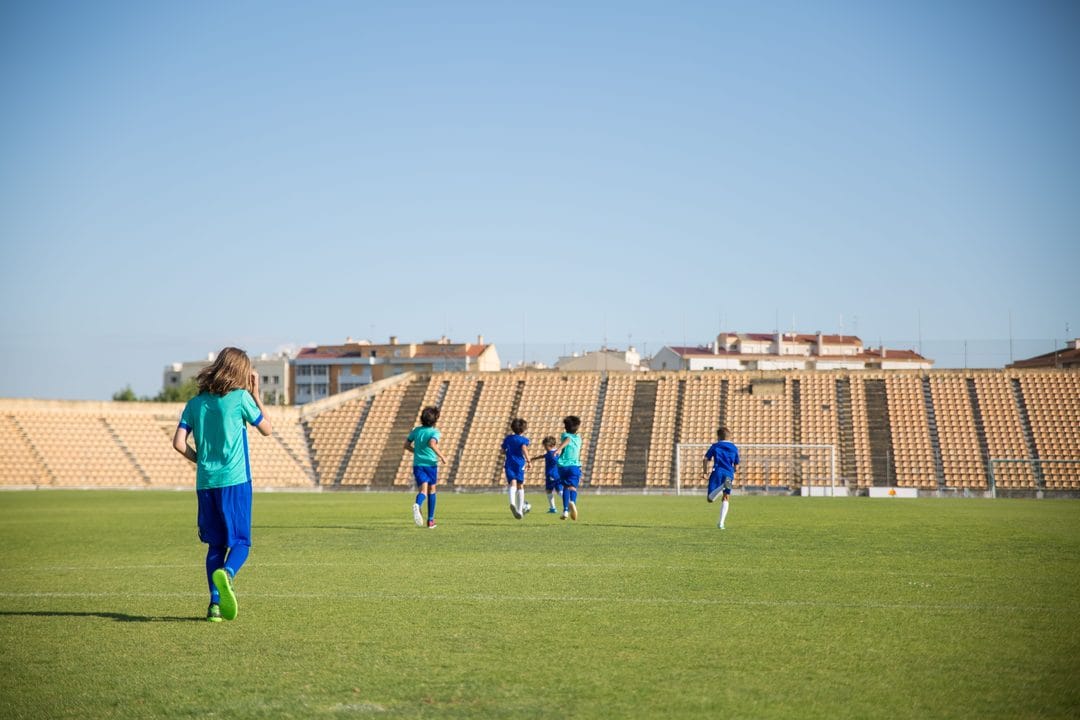
The flyer from school lands in the backpack sometime in mid-August, usually crumpled, usually stapled to three other flyers, and it always says some version of the same thing: sign up now, spots fill fast. Soccer, piano, robotics club, Girl Scouts — by the time a parent has read through all four, the family calendar for September already looks like a subway map, and nobody has said yes to anything yet.
Fall sign-up season for after-school activities runs roughly from late August through mid-September in most US school districts, and the choices made in that window shape the family's schedule for the next nine months. Pick well and a kid gets a genuine outlet — somewhere to burn energy, make friends outside the classroom, and get good at something that has nothing to do with a report card. Pick on autopilot, saying yes to every flyer because saying no feels like closing a door, and a household ends up eating dinner in the car three nights a week. The difference isn't really about which activities are "better." It's about matching commitment level to what the family can actually sustain past October, when the novelty wears off and the driving starts to feel like a second job. If you're the one doing the driving, that distinction is the whole ballgame — a single well-chosen activity beats three that all quietly resent each other for the same Tuesday time slot.
Start With the Calendar, Not the Flyer Pile
Before signing up for anything, block out the actual after-school hours available on a real weekly grid — Monday through Friday, 3:00 p.m. to bedtime, plus Saturday mornings if that's on the table. Most families find they have two, maybe three slots per kid once homework, dinner, and some unstructured downtime are accounted for. That number is the real budget. It's smaller than it looks on paper, because a 4:00 p.m. soccer practice that runs until 5:15 doesn't end at 5:15 — it ends when everyone's home, showered, and the kitchen is a mess again, which is closer to 6:00.
One activity per child per season is plenty for elementary-age kids. Two starts to work for middle schoolers who can manage some of their own transitions. Three or more, across multiple kids, usually means someone in the family — almost always a parent — is driving more than they're doing anything else. That's not a moral failing; it's just math, and it's worth doing the math before the first check gets written. High schoolers can sometimes handle more, especially once they're old enough to bike, walk, or catch a ride with a teammate's parent instead of needing a chauffeur for every single practice. And the number isn't static — a family that comfortably managed two activities per kid in third grade often needs to renegotiate by seventh grade, when homework alone starts eating an hour a night that used to be free.
The Sibling Multiplier
Families with two or three kids face a version of this problem that only-child households don't: every extra activity for one kid is a scheduling constraint on everyone else's evening. A 5:00 p.m. gymnastics class for one daughter and a 5:30 p.m. baseball practice across town for her brother isn't two activities — it's a logistics problem that needs a second driver, a carpool arrangement, or a hard conversation about which one gets dropped this season.
What the Major Options Actually Cost
Prices vary by region and by local chapter, but the ranges below hold fairly steady across most US metro and suburban areas for the 2026–2027 school year — these are the sign-ups that show up in nearly every backpack, not an exhaustive list.
- Little League Baseball registration typically runs $100–$200 per season, usually including a uniform and end-of-season trophy or medal.
- AYSO (American Youth Soccer Organization) charges roughly $100–$150 per season in most regions, and its "everyone plays" rule guarantees real field time regardless of skill level — a policy that matters more than it sounds like it should for a kid who's still figuring out whether they even like the sport.
- Girl Scouts of the USA membership is $25 per year at the national level, though local troops typically add their own dues, often $50–$100 annually, to cover supplies and activities.
- Scouting America (the organization formerly known as the Boy Scouts of America, which adopted its current name in 2025) charges around $75–$85 per year in national registration, plus unit-level dues that vary by pack or troop.
- Private music lessons — piano, guitar, violin — generally run $30–$60 for a 30- to 45-minute weekly session with an independent instructor, and community music schools sometimes offer group rates that come in lower.
- Martial arts studios (karate, taekwondo, jiu-jitsu) commonly charge $100–$150 per month for two or three classes a week, plus a one-time fee for the uniform, or gi.
YMCA branches sit in an interesting middle ground: individual youth membership is usually somewhere in the $40–$70 monthly range, and it opens the door to swim team, after-school care, and drop-in sports programs under one membership instead of three separate sign-ups. For a family juggling multiple kids with different interests, that bundling is worth more than the sticker price suggests.
The Free-and-Low-Cost Tier Nobody Mentions First
Nobody markets the library the way Kumon markets Kumon.
Boys & Girls Clubs of America operates on an income-based model at most local clubs, and annual membership at many locations lands anywhere from free to around $50 — a fraction of what a private studio charges for a comparable number of weekly hours. Public library systems in most cities run free after-school STEM clubs, coding sessions, and book clubs that never make it onto the flyer stack because they don't need marketing budgets. School-based intramural programs, run by the PE department rather than an outside vendor, often cost nothing beyond a small equipment fee.
These options get overlooked constantly, not because they're worse, but because they don't show up in the backpack mail the way club-sport flyers do. A family stretched thin on time and money should check the library calendar and the school's own activity list before signing a check for anything with a private vendor's logo on it.
Reading the Sign-Up Contract Before You Sign It
Every activity comes with a commitment level buried somewhere in the registration form, and it's worth reading before agreeing to it, not after the first missed practice generates a phone call from the coach. Travel soccer leagues, for instance, routinely require weekend tournaments that eat entire Saturdays from September through November — a very different ask than a recreational league that plays one game a week and calls it a season.
Tutoring franchises like Sylvan Learning and Kumon deserve a specific mention here because they get lumped in with extracurriculars when they're really something else — academic support with a subscription-style commitment. Kumon math or reading programs typically run $150–$200 per month per subject, and the format assumes daily at-home worksheets on top of the twice-weekly center visits. That's a real time cost most families underestimate when they sign up mid-semester expecting a light homework helper.
The Case for Saying No This Season
Skip the activity that requires a 40-minute drive each way for a 45-minute class — the math almost never works out in the kid's favor once travel time is counted honestly. And be skeptical of any program that markets itself around building a college application rather than around whether a seven-year-old actually enjoys showing up. A kid who dreads Tuesdays because Tuesday means violin isn't building discipline; they're building an association between structured time and dread, which tends to stick.
The better move, especially for a first-time sign-up, is a trial class or a single-season commitment before anything gets locked in for the full year. Most rec leagues and community programs allow this by default; private studios sometimes don't advertise it but will offer it if asked directly. A family that tries AYSO soccer for one eight-week fall season learns more about whether their kid likes team sports than any amount of pre-season research could tell them — and if it's not a fit, nobody's out more than one registration fee.
When One Activity Beats Three
There's a real trade-off between breadth and depth that gets lost in the rush of sign-up week. A kid who does one thing — say, swim team through the YMCA, three practices a week from September through the spring championship — often ends up more confident and more skilled than a kid spread across soccer, piano, and Scouts, none of which gets more than ninety minutes of weekly attention. Depth builds competence, and competence is what actually keeps a kid motivated past the point where an activity stops being novel.
That said, plenty of families have a good reason to prioritize breadth over depth, particularly with younger kids who haven't found their thing yet. A second grader trying soccer in the fall and swim lessons in the spring isn't overscheduled — that's sampling, and it's exactly how most kids figure out what they actually want to stick with by fourth or fifth grade.
A Simple Filter for the Flyer Pile
Before signing anything this month, run each option through three questions: does it fit inside the real weekly hours blocked out on the calendar, does the family have a driver for every pickup it requires, and did the kid ask for this or did the flyer ask for it on their behalf? Two out of three isn't a clean pass. An activity that fails the driver question needs a carpool partner lined up before the registration fee gets paid, not after the first Tuesday scramble.
None of this means fall activities aren't worth it — most of them are, and a kid who tries out for Little League or joins a Scouting America den usually comes home from the first meeting talking more than they have in weeks. It just means the flyer pile isn't a to-do list. It's a menu, and nobody orders one of everything.